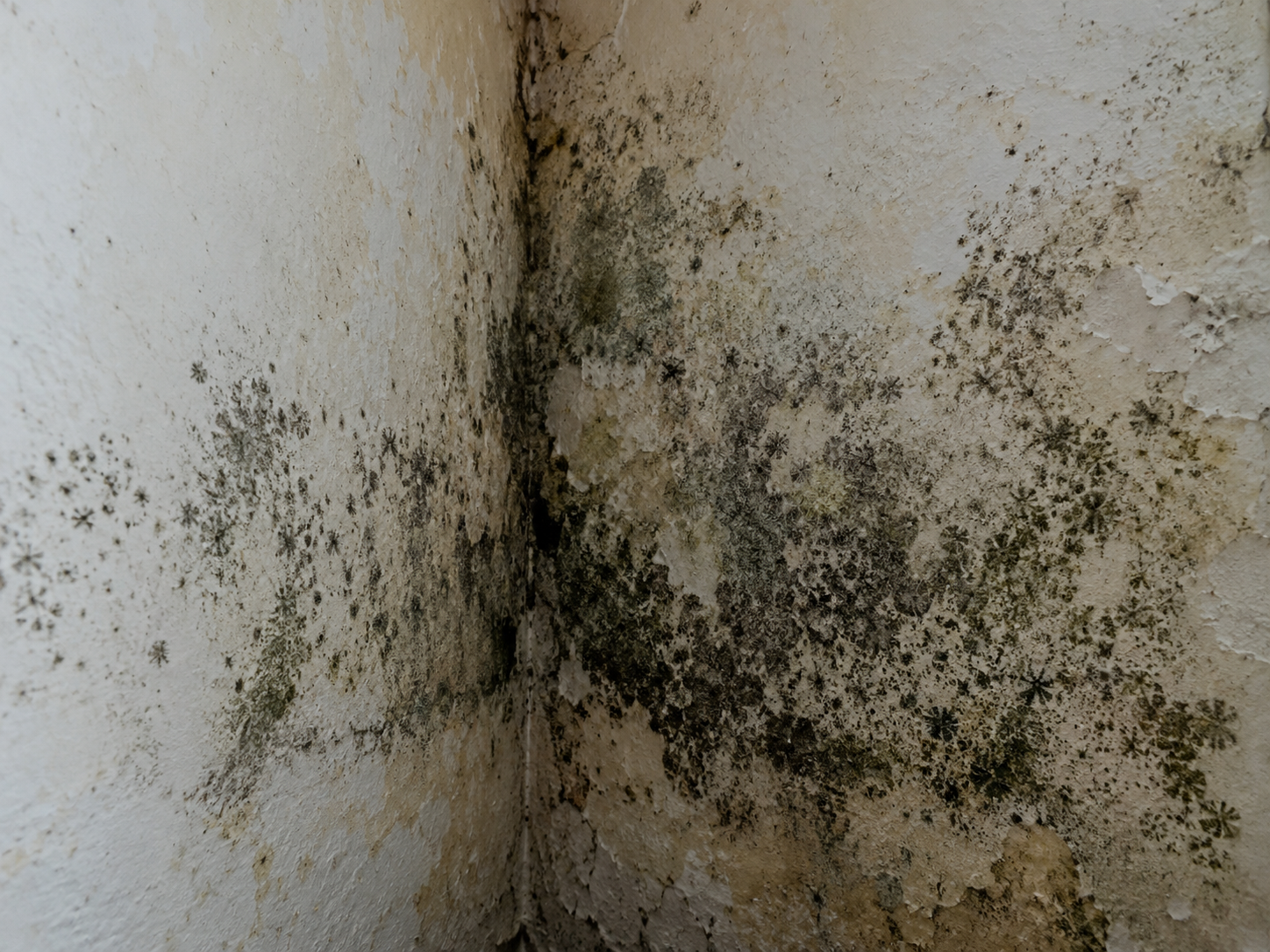
Somewhere around mid-October, it starts. You open the curtains in the morning and the bottom of the window is wet. There’s a cold patch in the corner of the back bedroom. The bathroom mirror takes twenty minutes to clear. Condensation season has begun, and in a lot of Dublin homes it will last until April.
Condensation on its own is harmless water. The problem is what it leads to when it happens every day for six months: mould on walls and ceilings, peeling paint, swollen window sills and that musty smell that gets into clothes. Here’s how to stay ahead of it.
Why it gets worse in autumn
Air holds moisture as vapour, and warm air holds a lot more than cold air. A normal household puts several litres of water into the air every day just by breathing, cooking, showering and boiling the kettle. Dry clothes indoors on a rack or radiator and you can add a good deal more.
In summer, windows are open and walls are warm, so that moisture mostly leaves. Once the heating comes on and the windows close, the moist air hits the coldest surfaces in the house and condenses: glass, outside walls, the corners behind wardrobes, and the underside of the roof in the attic.
The rooms that suffer most
In the homes we visit across Dublin, the same spots come up again and again:
- North-facing bedrooms, which never get direct sun to dry the walls.
- Bathrooms without a working extractor fan, or with one that’s switched off because it’s noisy.
- Box rooms over a porch or garage, which have more cold external surfaces than other rooms.
- Behind furniture pushed tight against an outside wall, where air can’t circulate.
- The attic, where moist air from the house rises and meets a cold roof deck. This one goes unnoticed because nobody looks.
Ten things that genuinely help
- Use the extractor fan, and leave it running for fifteen or twenty minutes after a shower. If it doesn’t clear the mirror, it isn’t working well enough.
- Put lids on pots and use the cooker hood.
- Dry clothes outside or in a vented dryer whenever you can. If they have to dry indoors, do it in one room with the door closed and a window open a crack.
- Open the trickle vents at the top of your windows. They’re there for a reason, and closing them to stop draughts is one of the most common causes of mould we see.
- Wipe the windows every morning. A squeegee and a cloth take two minutes and stop water soaking into the sills.
- Pull wardrobes and beds a few centimetres away from outside walls.
- Keep the heating low and steady rather than blasting it for an hour and letting the house go cold. Constantly cold walls attract condensation.
- Air the house briefly every day, even in winter. Ten minutes with windows open on opposite sides replaces moist air with drier air.
- Use a dehumidifier in problem rooms. Empty it daily and you’ll be surprised how much water it collects.
- Check the attic. Look for damp patches on the underside of the roof, wet insulation, or black spotting on the timbers.
When condensation has already become mould
If you’re already seeing black spots, wiping them with bleach makes the wall look better for a few weeks, but it rarely kills the mould that has grown into plaster, silicone or timber. It also does nothing about the moisture that caused it, so it comes back. You’ll recognise the pattern: the same corner, every winter.
Proper mould removal treats the affected surface with a professional anti-mould product, follows up with disinfection, and then deals with the cause, whether that’s ventilation, an extractor fan, insulation or a cold spot in the wall. In bathrooms and bedrooms that keep getting it back, finishing with a proper anti-mould paint helps keep the surface clear for much longer.
Don’t forget the roof space
The attic is where condensation does the most damage quietly. Moist air rises through the ceiling, hits the cold underside of the roof and condenses on the felt and rafters. Over a few winters you get mould on the timbers, wet insulation that stops working, and a musty smell that drifts back down into the bedrooms.
If your upstairs rooms smell damp in the mornings and you can’t find a source, the attic is the first place to look. Our attic mould treatment covers cleaning, treating the timbers and fixing the ventilation so the problem doesn’t return.
Need a hand?
BioClean works across Dublin seven days a week. If you’d like us to take a look before the worst of the winter, call or WhatsApp +353 85 735 7237 or send us a message through the contact page. Photos help us give you a quick estimate.